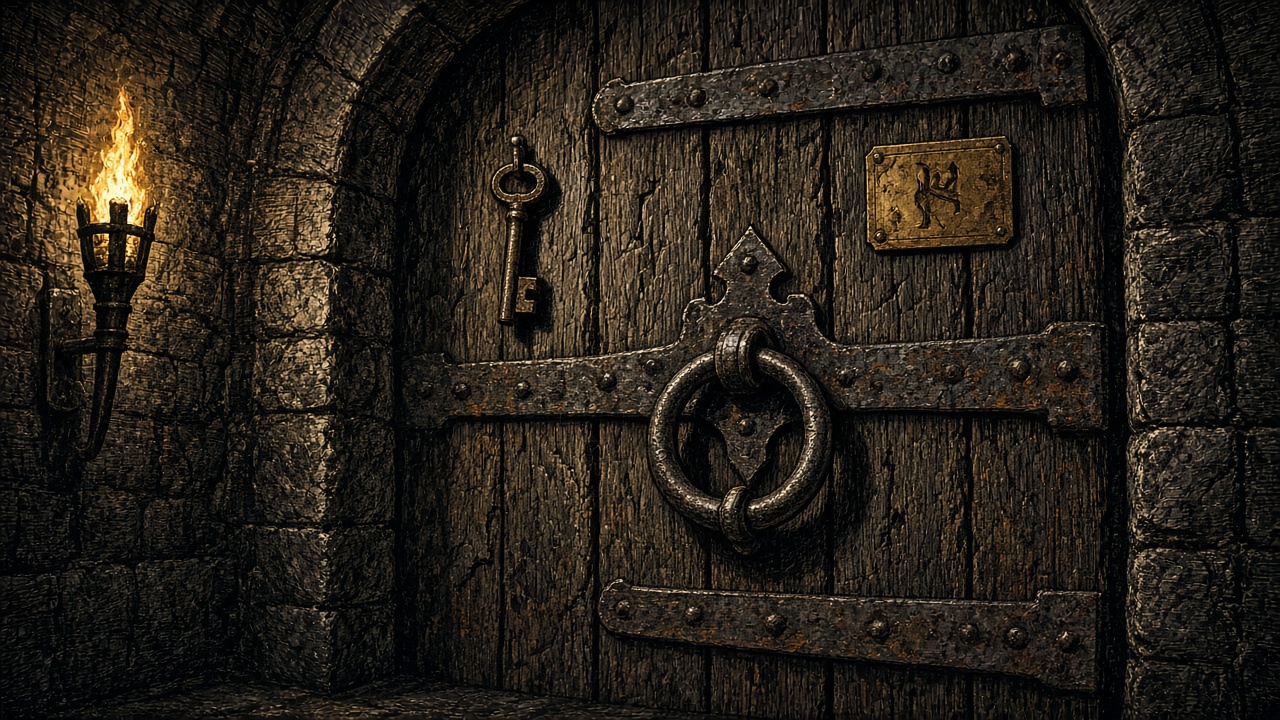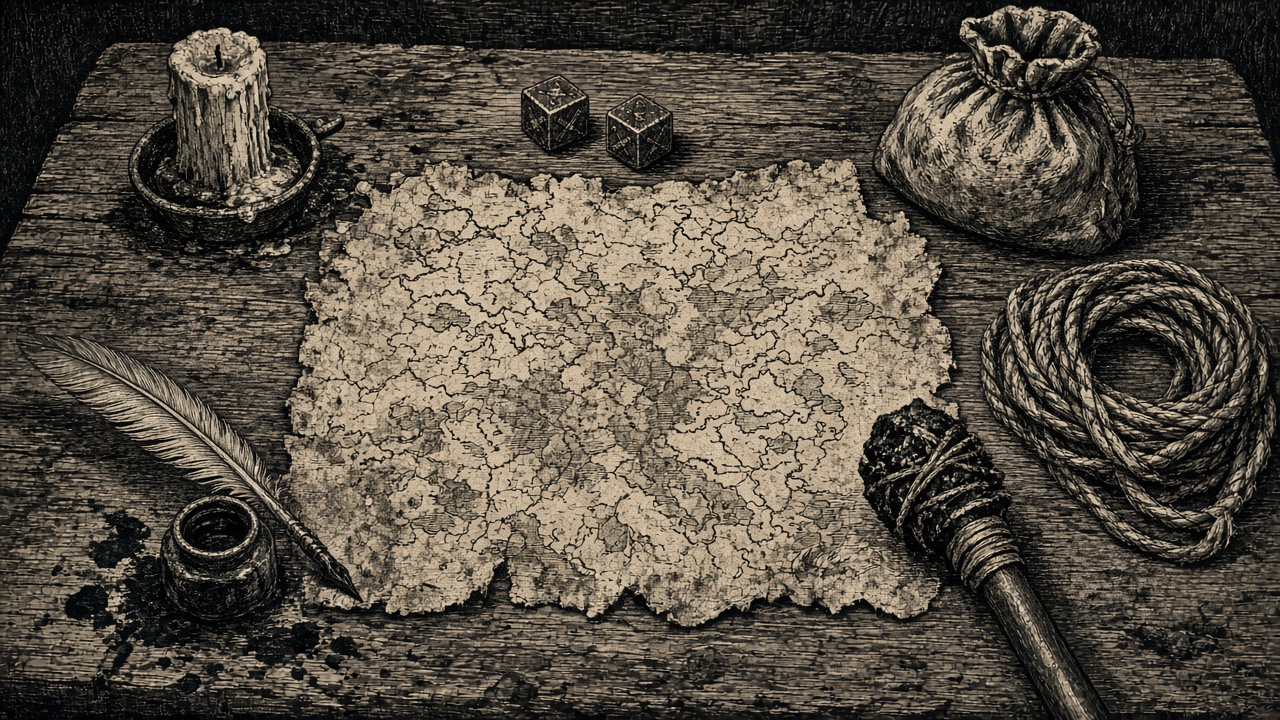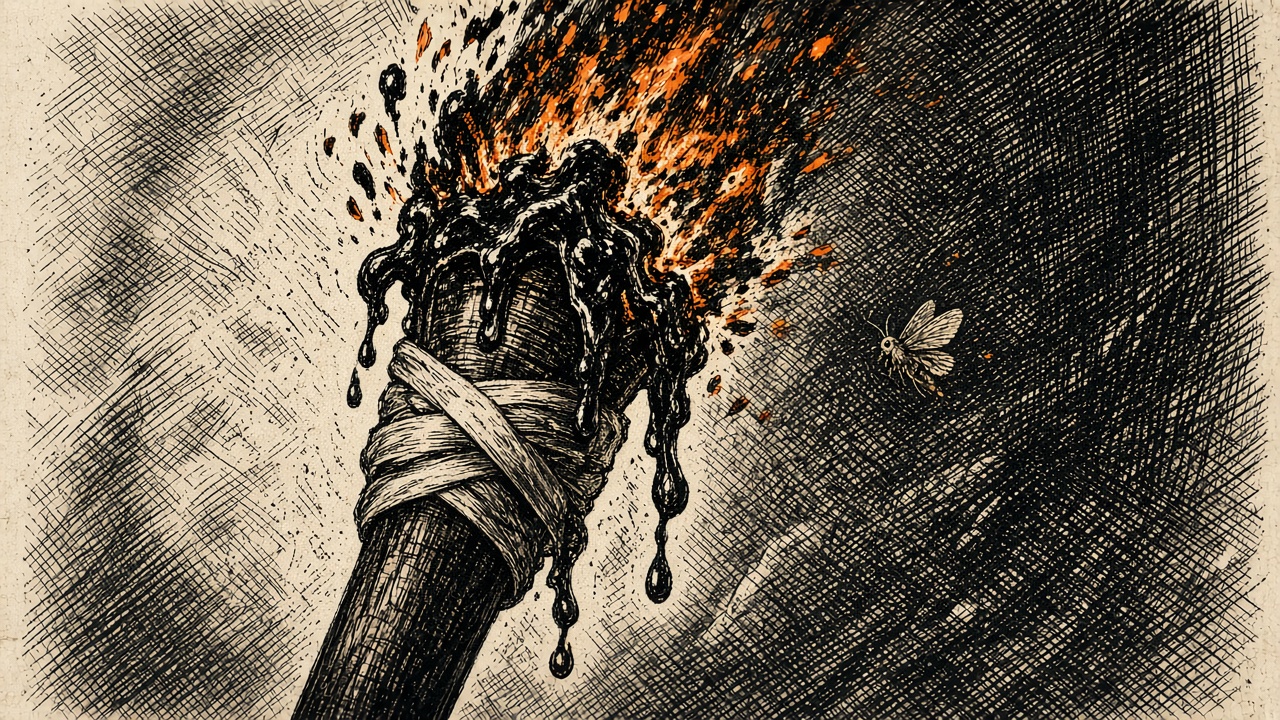
Torch-and-ration prep
One keyed wing, a wandering-check reminder, and how long a torch lasts. Enough to start descending.
Old-school procedures
When exploration turns burn light and rations, the dungeon feels like a place instead of a set of rooms. Morale keeps a fight from turning into a slog nobody asked for, and hirelings with names (plus a keyed map) keep a sandbox honest. This desk writes those habits down so someone else can pick up your night.
Start with Getting Started, skim the Guides hub, or browse Resources when you need outbound references like Old School Revival on Wikipedia.
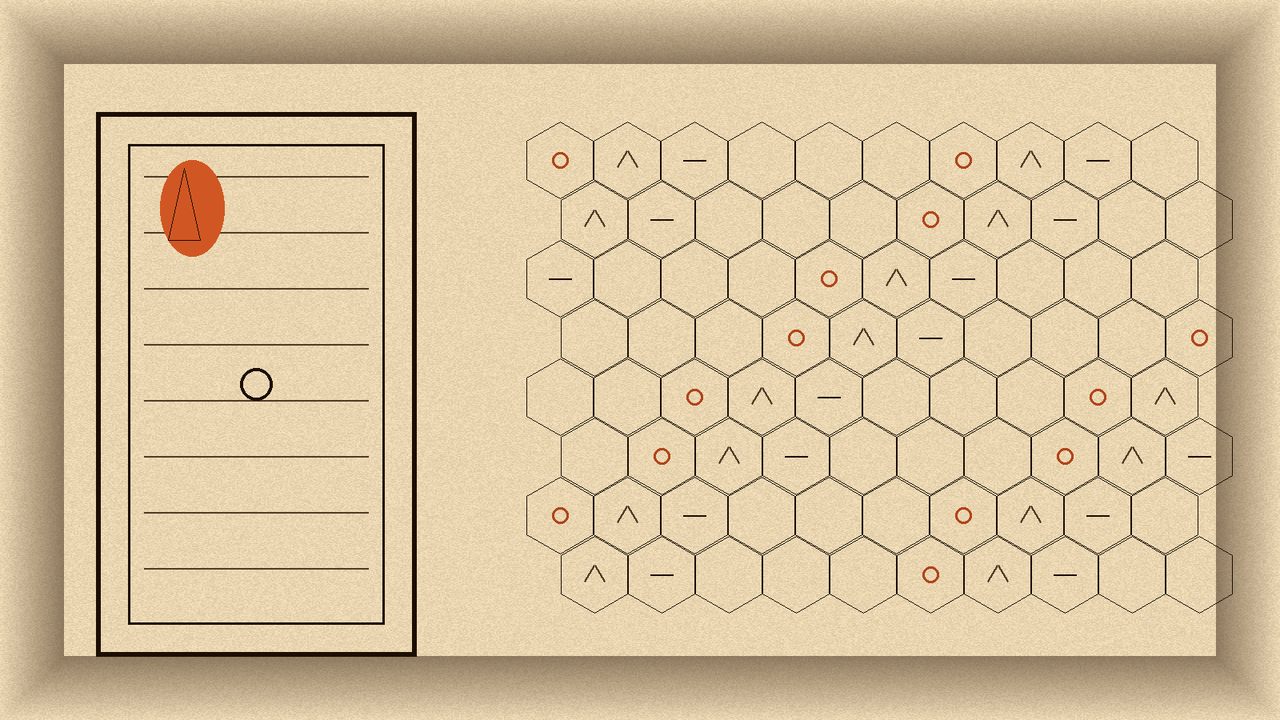
A keyed area, a torch clock, and a 2d6 reaction table beat a lore packet nobody will read at the table. Write the procedure where a guest referee can see it.
Keep a dated log, name the hirelings, and mark which rooms are empty on purpose. Public lineage lives on Old School Revival on Wikipedia and Dungeons & Dragons history; use them for dates, not for rulings.
Gold-for-XP is vocabulary, not law. If the table advances some other way, say so in session zero and stick to it.
Attrition is the engine: light, rations, noise, time. When those clocks stop, the dungeon stops feeling like a place.
Edition-specific desks when you want a different dialect: